


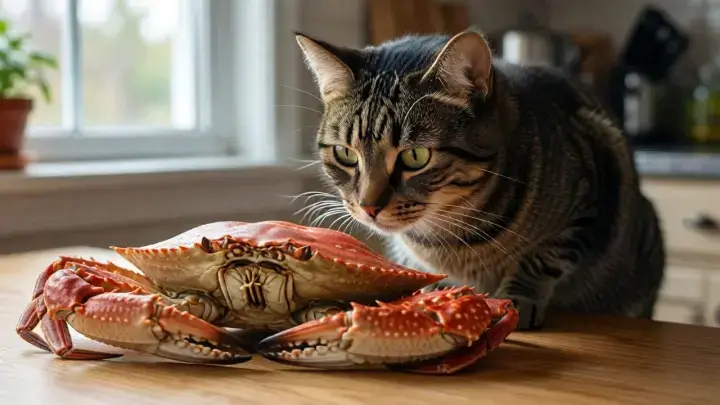
Cats are natural carnivores, and their diets are primarily protein-based. This makes seafood a topic of interest for many cat owners looking to diversify their pets’ meals. Among seafood options, crab meat often comes up as a question: can cats eat crab meat safely? Can it be fed as a treat, and are there risks involved? Understanding the nutritional value, potential hazards, and proper serving methods is essential before offering crab meat to your feline friend.
Understanding Cats’ Dietary Needs
Cats are obligate carnivores, meaning their bodies are designed to derive nutrients from animal proteins. Their digestive systems are built to process meat efficiently, and they rely heavily on amino acids like taurine, which are essential for heart, eye, and overall health. While commercial cat food provides balanced nutrition, occasional natural treats like meat or seafood can offer variety and enrichment.
However, not all human foods are safe for cats. Foods high in salt, spices, or certain preservatives can harm their delicate systems. This is why careful consideration is required before introducing crab meat into a cat’s diet.
Nutritional Profile of Crab Meat
Crab meat is naturally rich in protein, low in fat, and contains essential minerals such as zinc, selenium, and copper. It also provides omega-3 fatty acids, which support healthy skin, coat, and joint function in cats. Some of the key nutritional components include:
- Protein: Supports muscle development, repair, and overall metabolic functions.
- Low Fat: Aids in weight management while still providing energy.
- Minerals: Zinc and selenium boost immune function and promote cell health.
- Omega-3 Fatty Acids: Reduce inflammation and contribute to a shiny coat.
These nutritional aspects make crab meat appealing as an occasional treat for cats. However, moderation is crucial, as overfeeding seafood can lead to imbalances or digestive issues.
Can Cats Safely Eat Crab Meat?
Yes, cats can eat crab meat in moderation, but there are several important considerations to ensure it is safe:
1. Avoid Seasoning
Human crab dishes often contain seasonings, spices, or sauces that are toxic to cats. Garlic, onions, pepper, and butter can all cause gastrointestinal upset or more serious health issues. Cats’ bodies cannot process these additives effectively, so plain, unseasoned crab meat is the only safe option.
2. Cooked vs. Raw
Raw crab meat can carry harmful bacteria or parasites, which may cause foodborne illnesses in cats. Cooking the meat thoroughly eliminates these risks while preserving the protein and minerals. Boiled or steamed crab meat without any seasoning is the safest choice.
3. Portion Control
Even though crab meat is nutritious, it should not replace a cat’s regular diet. A small piece as an occasional treat is sufficient. Overfeeding seafood can lead to nutrient imbalances or digestive upset. Experts recommend treats like crab meat make up no more than 5–10% of a cat’s total caloric intake.
4. Shell Removal
Crab shells can be sharp and dangerous if ingested. Small fragments may cause choking or damage a cat’s digestive tract. Always ensure that crab meat is completely free of shells before offering it to your cat.
Potential Benefits of Feeding Cats Crab Meat
Crab meat offers several benefits when fed correctly:
- Protein Boost: Cats receive high-quality protein, which supports lean muscle mass and overall health.
- Mental Stimulation: Introducing new flavors can provide enrichment, reducing boredom and promoting positive behavior.
- Omega-3 Benefits: These fatty acids improve skin, coat, and joint health.
- Mineral Support: Essential minerals like zinc and selenium strengthen immune function and support cellular processes.
Risks and Precautions
While crab meat can be a healthy treat, it is not without risks:
- Allergic Reactions: Some cats may be allergic to shellfish. Signs include vomiting, diarrhea, itching, or swelling.
- Digestive Upset: High-protein seafood can sometimes cause stomach discomfort or loose stools in sensitive cats.
- Sodium Content: Store-bought or pre-seasoned crab meat can be high in sodium, which is dangerous for cats. Excess sodium may lead to dehydration or kidney stress.
- Parasites and Bacteria: Raw or improperly cooked crab meat may contain harmful microorganisms.
To mitigate these risks, always feed plain, cooked, and shell-free crab meat in small amounts, and observe your cat for any adverse reactions.
How to Serve Crab Meat to Cats
Here are safe ways to introduce crab meat:
- Plain Cooked Pieces: Boil or steam the meat without seasoning and cut it into small, manageable pieces.
- Occasional Treat: Offer a small piece once in a while rather than making it a regular diet component.
- Mixed with Regular Food: Some owners sprinkle tiny amounts over their cat’s regular food to add flavor and variety.
- Avoid Sauces: Never feed crab meat in creamy, spicy, or buttery sauces, which can harm cats.
Homemade Crab Treat Ideas
If you want to make feeding crab meat more fun, here are a few ideas:
- Crab Meat Bites: Mix small cooked crab pieces with a tiny amount of plain cooked chicken and freeze them as mini treats.
- Crab-Flavored Cat Snacks: Puree cooked crab meat and mix with a little plain yogurt (if tolerated) to create a creamy, protein-rich treat.
- Occasional Topper: Sprinkle finely shredded crab meat over wet food to encourage picky eaters.
These ideas ensure that cats enjoy the flavor without compromising their health.
Special Considerations for Cats with Health Conditions
Some cats may need extra care when feeding seafood:
- Kidney Problems: Cats with kidney disease should avoid high-protein seafood treats to prevent overloading the kidneys.
- Food Allergies: Monitor for shellfish allergies, which may show as vomiting, diarrhea, or skin irritation.
- Obesity: Crab meat is low in fat, but excessive treats contribute to unnecessary calories. Always account for it in the total diet.
Comparisons with Other Seafood
Crab meat is not the only seafood option for cats, but it has unique advantages:
- Salmon: Rich in omega-3 fatty acids, but often higher in fat.
- Tuna: Popular but should be limited due to mercury content.
- Shrimp: Low in fat and high in protein but may trigger allergies in some cats.
Crab meat offers a balanced profile with moderate fat, high protein, and essential minerals, making it a suitable occasional treat if prepared correctly.
FAQs About Cats and Crab Meat
1. Can cats eat raw crab meat?
No, raw crab meat can contain harmful bacteria or parasites. Always cook crab meat thoroughly before feeding it to your cat.
2. How often can cats eat crab meat?
Crab meat should be an occasional treat, no more than a few times per month, and should never replace regular meals.
3. Can kittens eat crab meat?
Small amounts of plain, cooked crab meat can be safe for kittens, but their primary nutrition should come from kitten-formulated food.
4. Is crab meat healthy for cats?
Yes, in moderation. It provides high-quality protein, essential minerals, and omega-3 fatty acids, but portion control is crucial.
5. Can crab meat cause allergies in cats?
Some cats may be allergic to shellfish. Watch for vomiting, diarrhea, or skin reactions after feeding crab meat.
6. Can crab shells harm cats?
Yes, shells can be sharp and pose a choking hazard or damage the digestive tract. Always remove all shells before feeding.
7. Is canned crab meat safe for cats?
Canned crab meat may contain added salt or preservatives, which are unsafe for cats. Opt for plain, fresh, or frozen crab meat cooked without seasoning.
8. Can crab meat help picky cats eat better?
Yes, many cats are attracted to seafood flavors. Small amounts of crab meat can entice picky eaters to eat their regular food.
Conclusion
In conclusion, cats can safely eat crab meat if it is plain, cooked, and shell-free. It provides high-quality protein, essential minerals, and beneficial omega-3 fatty acids, making it a nutritious occasional treat. However, moderation is crucial, and crab meat should never replace a cat’s balanced diet.
Owners must avoid seasoning, butter, sauces, and raw crab to prevent health risks. Special attention should be given to cats with allergies, kidney problems, or digestive sensitivity. By introducing crab meat carefully and responsibly, you can enrich your cat’s diet and offer them a tasty, healthy seafood treat.
In essence, crab meat can be a safe, enjoyable indulgence for cats, combining flavor, nutrition, and variety, but always with caution and moderation.
For More Visits: Animalsinfo